
Ranthambore National Park
Government Badge Registered Safari Operator with Department of Tourism, Government of Rajasthan

Nearby Attractions Of Ranthambore

When planning a trip to Ranthambore, the wildlife safari is probably at the top of your list. But what will you do after the safari? Go back to the hotel and relax all day? Not really!

There are many more places to see around Ranthambore and Sawai Madhopur. You can explore an old fort, visit a famous Ganesh temple, sit near a lake, see ancient temples, or discover some interesting old buildings.

Some places are just a short drive away. Others are a little farther and are better for a half-day or full-day trip.

So, if you have some extra time, why not explore more of the area? Here are some places you can easily add to your Ranthambore trip.

Ranthambore Fort

Ranthambore Fort

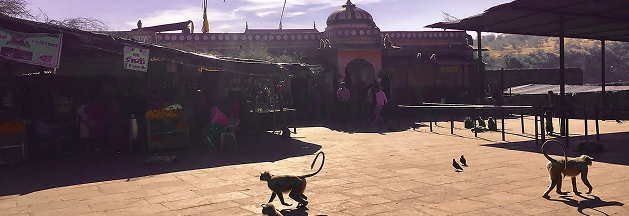
Finished your safari and still have a few hours? Then head to Ranthambore Fort. If you are visiting Ranthambore, this is one place you should try not to miss.

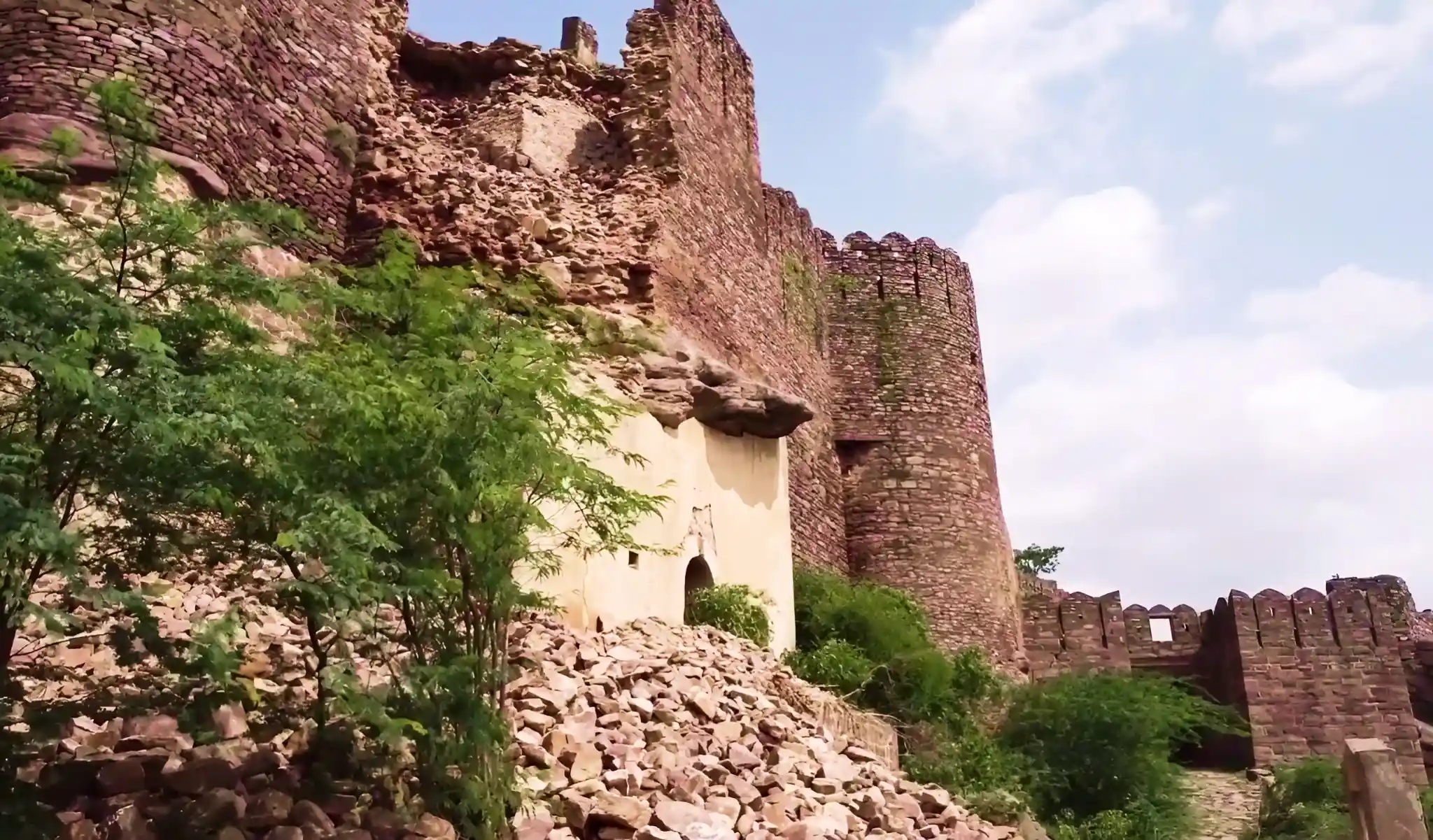
The fort sits on a hill about 700 feet high, inside Ranthambore National Park. It was built in the 10th century by the Chauhan rulers. Its location between the Aravalli and Vindhya hills made it a strong place for defence.

Over the years, many rulers fought to control this fort. So, there is plenty of history to discover as you walk around.

Once you enter, take your time. Walk along the old stone walls, see the ancient stepwells and water tanks, and explore the old gates and buildings. Sametonki Haveli and Toran Dwar are also worth a look.

And here is something important for history lovers: Ranthambore Fort is part of the UNESCO World Heritage Site called the Hill Forts of Rajasthan.

The fort has also seen many battles and important events. During the 1303 siege by Sultan Alauddin Khilji, royal women are traditionally believed to have performed jauhar.

You do not need a full day here. A few hours can be enough to explore the main areas and enjoy the views.
Jogi Mahal and Padam Talao

Jogi Mahal & Padam Talao

Want to spend some time near water after your safari? Then Padam Talao is a good place to visit.

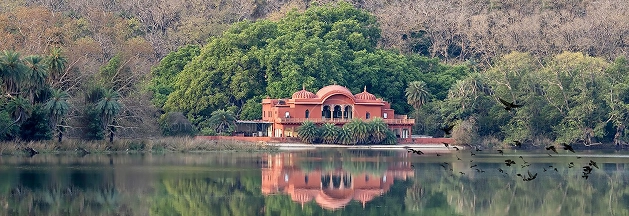
It is the largest lake inside Ranthambore National Park and is located close to Ranthambore Fort. The lake gets its name from the water lilies that grow here.

Depending on the season, you may see many lilies across the water.

The lake is also a favourite spot for animals. Sambar deer, marsh crocodiles, and other wildlife can often be seen near the water. And yes, a tiger may also come here. But keep in mind that wildlife sightings are never guaranteed.

Jogi Mahal stands right beside the lake. It was built as a royal hunting lodge by the rulers of Jaipur. Today, it is one of the best-known landmarks in Ranthambore.

There is also a very large banyan tree near the lake. It is considered one of the largest banyan trees in India.

So, if you want a place where you can see a lake, wildlife, and history together, add Padam Talao to your plan.

Khandhar Fort

Khandhar Fort

Already seen Ranthambore Fort and still want more history? Then why not visit Khandhar Fort?

The fort is around 45 kilometres from Sawai Madhopur and is near the buffer area of Ranthambore Tiger Reserve.

Khandhar Fort has a long history. It was once ruled by the Sisodia rulers of Mewar and later came under Mughal control. Its location also made it useful for defence.

Today, the fort is mostly known for its old ruins. You can walk around and see old battlements, stepwells, ruined palaces, and ancient shrines.

Some of these shrines are dedicated to Lord Shiva and Hanuman.

Another good thing? The place is generally less crowded. So, you can explore without feeling rushed.

If you enjoy old forts and do not mind driving a little farther from Sawai Madhopur, Khandhar Fort is a nice addition to your trip.

Sunheri Kothi and Jama Masjid Tonk

Sunheri Kothi & Jama Masjid (Tonk)

Have an extra day? Do not mind a longer drive? Then Tonk is worth considering.

Tonk is around 96 kilometres from Sawai Madhopur, on the road towards Jaipur. The town is known for its Afghan-influenced architecture.

Two places you should check out here are Sunheri Kothi and Jama Masjid.

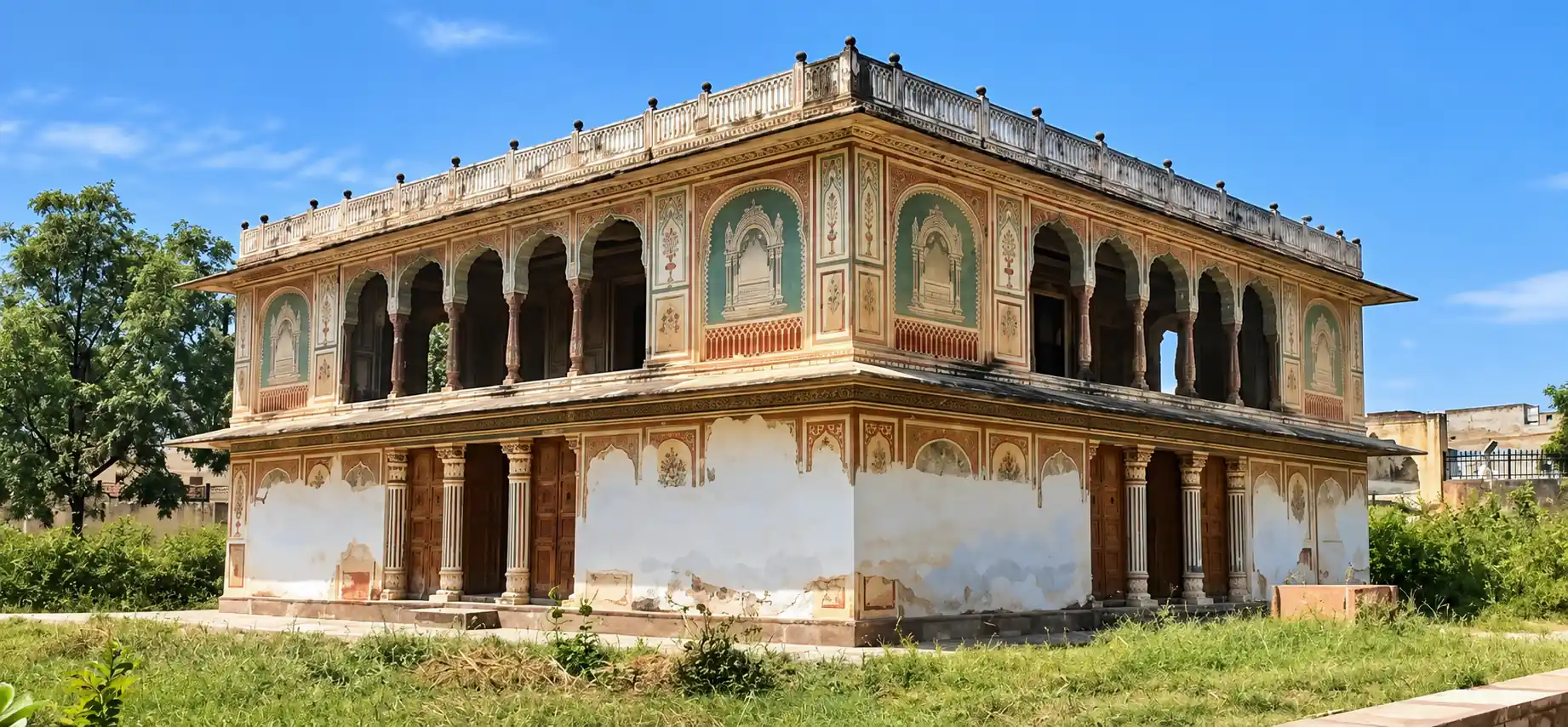
Sunheri Kothi means “Mansion of Gold.” It was built in 1824 by Nawab Ameer Khan and later expanded by Nawab Ibrahim Ali Khan.

The outside is interesting, but make sure you also look inside. You can see gold stucco work, mirror inlay, lapis lazuli, stained glass, and polished floors.

Then there is Jama Masjid. It is known for its detailed frescoes and old hanging lamps. It is also considered an important Islamic monument in Rajasthan.

A trip to Tonk gives you something different from the usual Ranthambore experience. Instead of only wildlife and forts, you get to see old architecture and learn more about the region's history.

Trinetra Ganesh Mandir

Trinetra Ganesh Mandir

Already planning to visit Ranthambore Fort? Great! You can visit Trinetra Ganesh Mandir at the same time because the temple is inside the fort.

This is one of the most famous Ganesh temples in Rajasthan. The name “Trinetra” means three-eyed. The idol of Lord Ganesha here has three eyes, which makes it different from many other Ganesh idols.

The idol is also shown with Riddhi and Siddhi and their sons, Shubh and Labh.

But there is another thing that makes this temple special. People send wedding invitations and letters to Lord Ganesha here.

Yes, wedding invitations!

Families from different parts of India post their invitations to the temple. Local postal workers traditionally deliver these letters to the temple.

For many families, this is an important tradition. They believe that Lord Ganesha's blessings should come before starting a new journey in life.

The temple remains active throughout the year, so you will usually find devotees here.

Not very religious? That is okay too. The wedding invitation tradition is interesting enough to make the temple worth a visit.

Amreshwar Mahadev Temple

Amreshwar Mahadev Temple

Need a quiet break from the usual tourist places? Try Amreshwar Mahadev Temple.

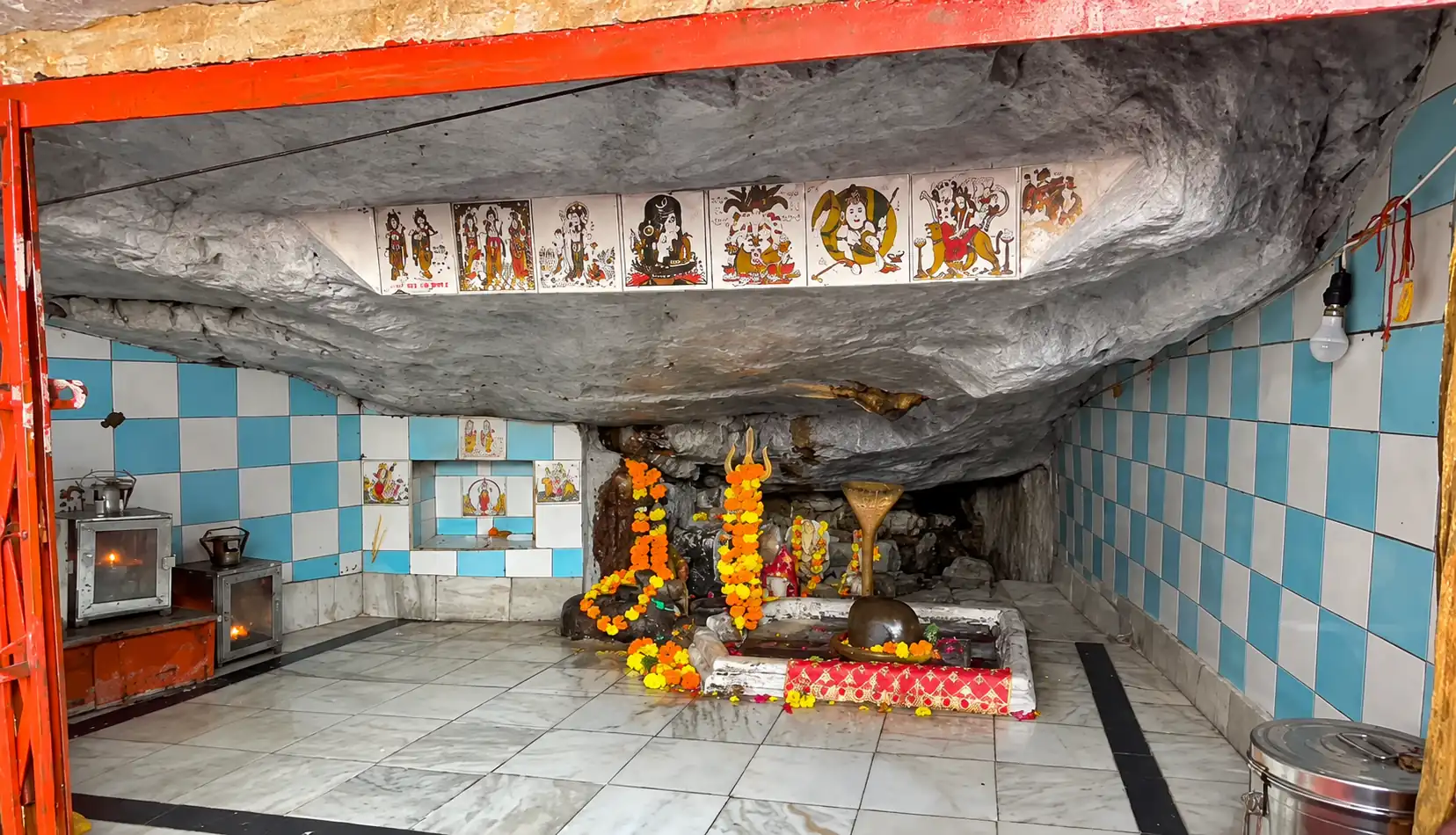
The temple is located on the way to Ranthambore National Park and is dedicated to Lord Shiva. It is inside a cave complex, which makes the visit a little different from a normal temple visit.

Inside, you can see representations of all 12 Jyotirlingas. There is also a large Shivling that is about 11 feet high.

But do not rush inside and leave. Take a little time to look around the area too.

The temple is surrounded by rocky hills. During the rainy season, seasonal waterfalls can also be seen nearby.

Amreshwar Mahadev is an active temple, so devotees visit throughout the year. At the same time, the peaceful surroundings make it a nice place to slow down.

If you want some quiet time before or after your safari, this temple is worth considering.

Ghushmeshwar Temple Siwar

Ghushmeshwar Temple (Siwar)

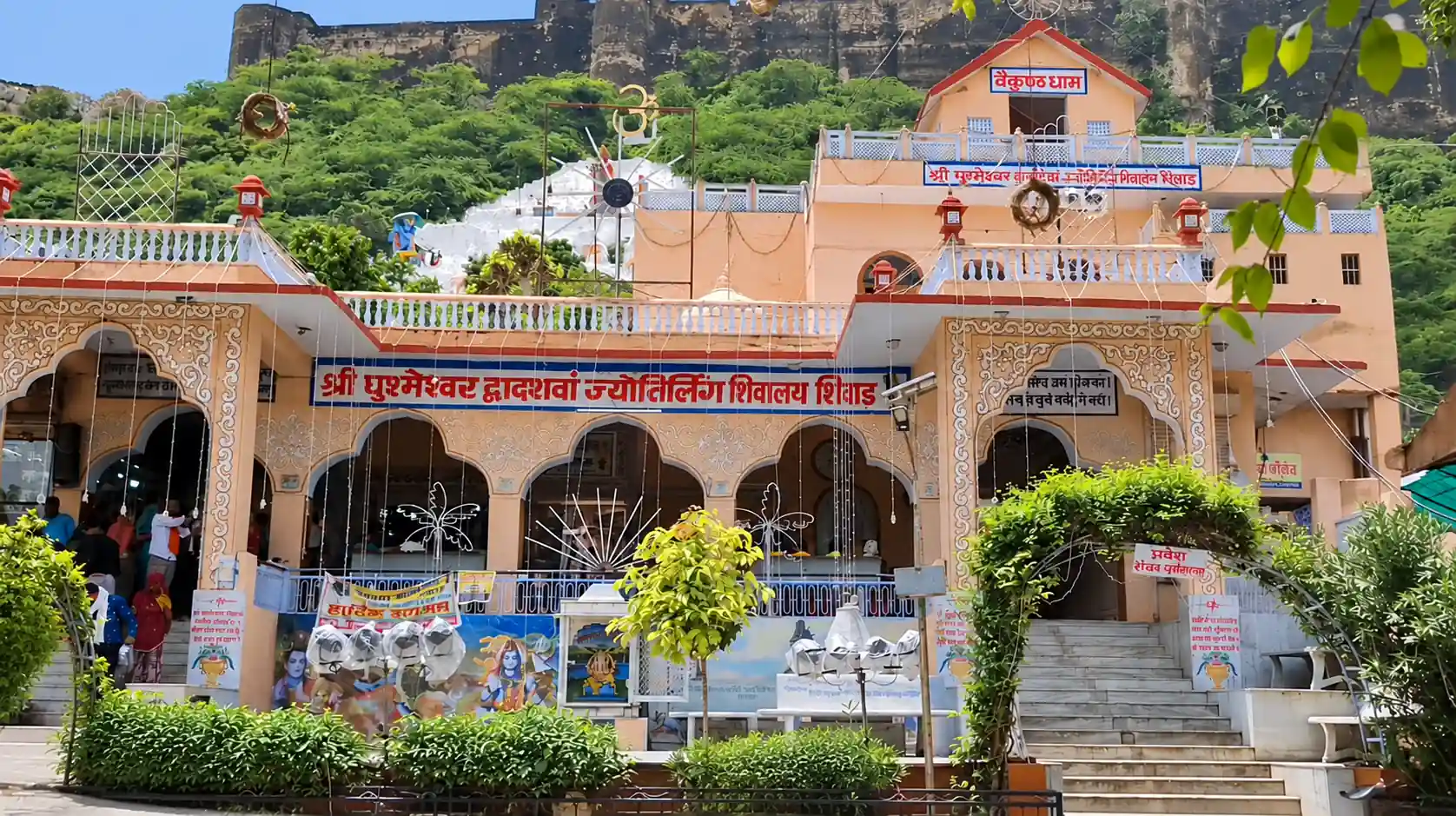
Want to visit an important Shiva temple? Add Ghushmeshwar Temple in Siwar to your list.

The temple is located in the Sawai Madhopur district and is traditionally regarded by devotees as the 12th Jyotirlinga of Lord Shiva.

The temple is connected with an old story from the Puranas. According to the traditional story, a woman named Ghusma was a devoted follower of Lord Shiva. Her son was later brought back to life by Lord Shiva.

After this, Shiva decided to stay in the area and be worshipped as Ghushmeshwar.

The nearby Devagiri hills are also connected with this story.

The temple receives devotees throughout the year. If you visit during Shivratri, be ready for larger crowds because many people come here to pray.

So, if temples and local traditions interest you, this can be a meaningful stop during your Ranthambore trip.

Hathi Bhata Kakod

Hathi Bhata (Kakod)

Looking for a quick and unusual stop? Hathi Bhata near Kakod may interest you.

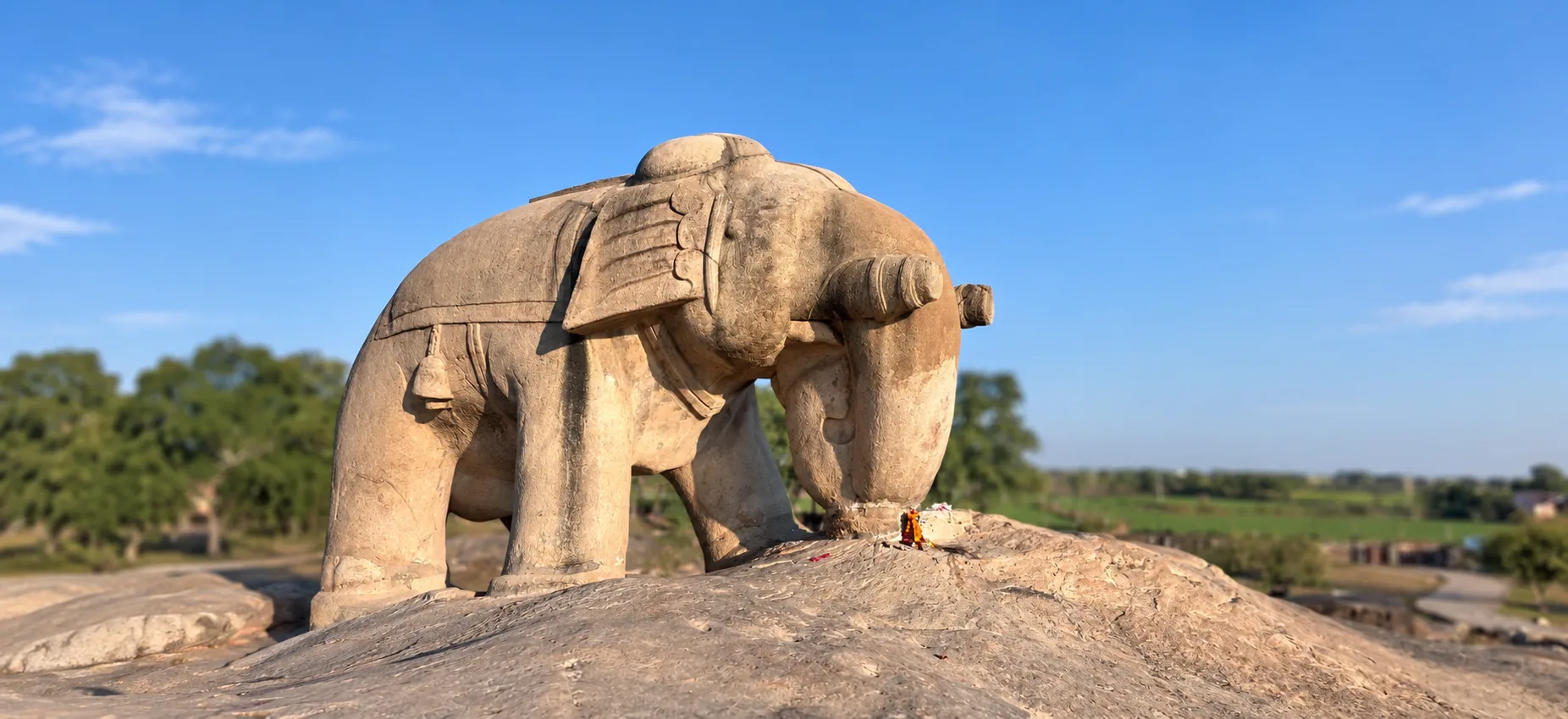
It is around 10 kilometres from Kakod on the route towards Sawai Madhopur. The main attraction here is a huge elephant carved from a single boulder.

Yes, the entire elephant was carved from one piece of stone. It is generally associated with the medieval period, although accounts differ on its exact date and history.

You can also see old inscriptions carved into the stone. These inscriptions are connected with the traditional story of King Nal and Queen Damyanti.

Hathi Bhata is not a place where you need to spend hours. You can see the main attraction fairly quickly.

But if you are already travelling on this route, why not stop for a while? The huge stone elephant is quite different from the forts and temples you will see around Ranthambore.