


Ranthambore National Park
Government Badge Registered Safari Operator with Department of Tourism, Government of Rajasthan

Tiger safari will be closed for Tuesday (Zone 6 to Zone 10) and Wednesday (Zone 1 to Zone 5) at Ranthambore Tiger Reserve.

Ranthambore National Park

Book Your Gypsy and Canter Safari Online

Book now

Key Information About Ranthambore National Park

Location
Sawai Madhopur, Rajasthan, India
Established
As a wildlife sanctuary back in 1955, then came under Project Tiger in 1973, and lastly a National Park in 1980.
Total Area
282.03 sq km
Major Fauna
Bengal Tigers, Leopards, Sloth Bears, Caracal, Striped Hyenas, Wild Boar, Chital, Sambar Deer, Jackals, Nilgai, Indian Python, Indian Bullfrog, Butterflies, etc.
Different Safaris
Canter Safari, Gypsy Safari
Safari Timings
Morning and Evening Safaris are allowed here.
Major Attractions Inside
Ranthambore Fort, Raj Bagh Ruins, Lakes, Trinetra Ganesh Temple, Jogi Mahal
Nearest Railway Station
Sawai Madhopur Railway Station
Nearest Airport
Jaipur International Airport
Safari Zones
10 Safari Zones
Climate Difference
From October to March, the park remains pleasant. From April to June, the park remains hot and dry and in July, August, September - it experiences rainfall.
Bird Species
Over 300 species of resident and migratory birds. Major ones are Peacock, Great Horned Owl, Kingfisher, Painted Stork, Eagle, Vulture, Pelican etc.
Forest Type
Tropical dry deciduous forest, dominated by Dhok, with fig, banyan, grasslands and scrub vegetation
Conservation Efforts
Anti-Poaching Measures, Habitat Improvement, Community Involvement, Monitoring and Research, Awareness Campaigns, Infrastructure Development, Relocation of Villages

Ranthambore National Park Overview

Wildlife and Tiger Sightings in Ranthambore

Ranthambore National Park is a very famous wildlife park in the state of Rajasthan. It is famous for its Bengal Tigers. It is one of the oldest and biggest national parks in North India. The park opened in the year 1980. It covers an area of about 282.03 square kilometres. The park gets its name from the old Ranthambore Fort that sits right inside the park grounds.

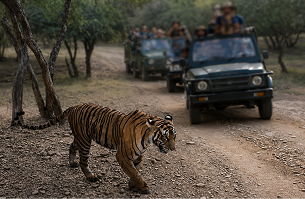
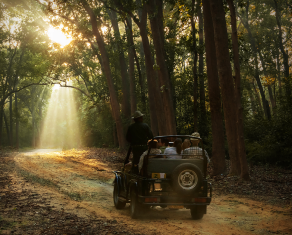
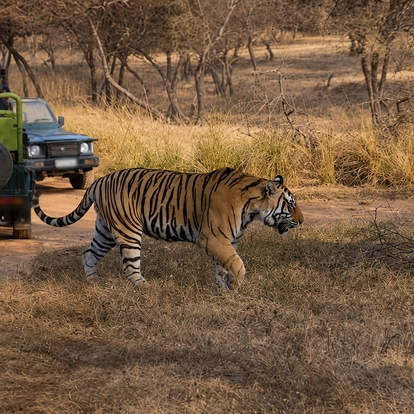
Many people travel here because it is one of the best spots in India to see Bengal Tigers with your own eyes. When you go on a safari ride, you can get a chance to see tigers living freely in their natural home. This is the main reason why tourists from India and all over the world come to visit.

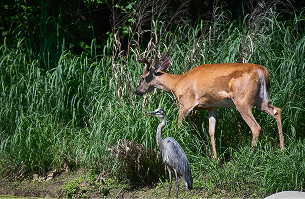
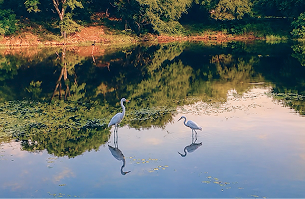
Besides tigers, the park has many other wild animals. If you look closely during your visit, you might see leopards, sloth bears, hyenas, wild boars, sambar deer, and chital. Ranthambore is also a fantastic place if you like watching birds. There are about 300 different kinds of local and visiting birds living here. Some of the common birds you can spot are the Kingfisher, Painted Spurfowl, Sarus Crane, Large Cormorant, Bronzed-winged Jacana, Sandpiper, Nightjar, Great Horned Owl, and Painted Sandgrouse.

Tiger in Ranthambore National Park
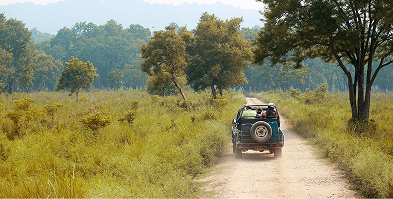
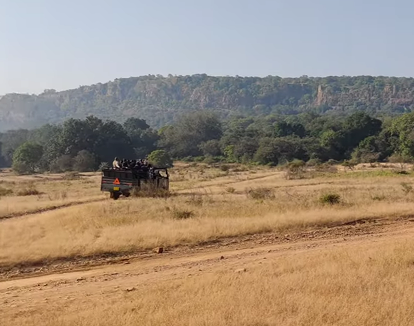
Forest and landscape of Ranthambore National Park

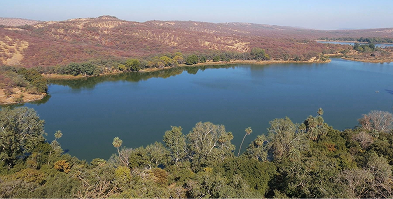
Forest, Lakes and Natural Landscape

The park is made up of thick green forests, open grassy fields, rocky hills, and many ponds and lakes. These natural places give all the animals and birds plenty of food, fresh water, and safe places to live. Because of this, many types of wildlife can live happily and safely inside the park all year round.

The lakes and water holes are very helpful for the animals, especially when the weather gets very hot. Visitors can look at these pretty natural places while on a safari and searching for animals.

If you want to visit, you can easily make a Ranthambore National Park booking online. The park gives you different choices for your safari, like a small gypsy car, a bigger canter vehicle. These fun rides help you explore different zones of the park so you can watch the animals, birds, and plants up close.

Ranthambore Fort and Heritage

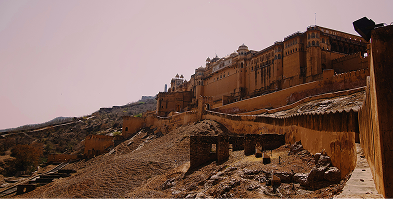
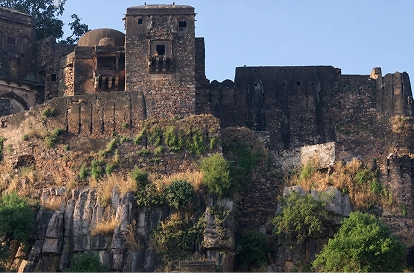
Ranthambore Fort is a major attraction located right inside the national park. People built this big fort way back in the 10th century. Today, it is a proud UNESCO World Heritage Site. When you climb up to the fort, you can look out and enjoy wide, beautiful views of the entire park and the land around it.

Inside the fort walls, you will find old temples, old mosques, and other historic buildings. These old places show the rich history of the area. This makes the park a wonderful place for people who love wild animals and also for those who love exploring old historical sites.

Ranthambore Fort

History of Ranthambore National Park

From Royal Hunting Ground to Wildlife Sanctuary

The Ranthambore National Park history goes back to the 10th century. It takes its name from the well-known Ranthambore Fort that is located inside the national park. Various kings have ruled this fort, and there have been a lot of wars here. Once upon a time, the Maharajas of Jaipur used this forest for hunting purposes. But then people realized that the forest and the animals living in it should be protected. In 1955, it became a sanctuary for wildlife.

Project Tiger and Conservation Efforts

Project Tiger began on April 1, 1973, and Ranthambore became one of the first tiger reserves under this project. The main objective of Project Tiger was to conserve tigers from poaching and hunting. Along with protecting tigers, the forest was managed, security was enhanced, and local people were supported.

National Park Status and Tiger Reserve Importance

In 1980, the sanctuary became a national park. Today, Ranthambore National Park is famous for tiger protection, rich wildlife, beautiful forests, and the historic Ranthambore Fort. It is one of India's most popular national parks.

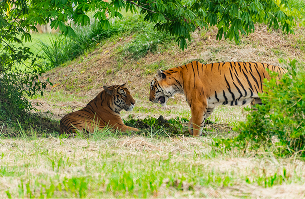
Tiger illustration representing Ranthambore National Park

Best Time to Visit Ranthambore National Park

Season
Months
Experience
Winter Season
October to February
The weather stays nice & comfortable, so your whole family can enjoy the safari together and do birdwatching.
Summer Season
March to June
Near any water source, your chances go up a lot to see animals walking, drinking, or just passing by.
Monsoon Season
July to September
Zones 1 to 5 face closures or limits when it rains, but zones 6 to 10 are open and available for you.

Why Visit Ranthambore ?

High Tiger Population

High Tiger Population

One of the best places in India to see Royal Bengal Tigers.

Diverse Wildlife

Diverse Wildlife

Home to leopards, sloth bears, deer, birds and more.

Beautiful Landscapes

Beautiful Landscapes

Lakes, forest, grasslands and ancient ruins together.

Exciting Safari Experience

Exciting Safari Experience

Jeep and canter safaris in 10 different zones.

Famous Tigers and Tigresses of Ranthambore: Past and Present

Ranthambore National Park is known not only for its tiger population but also for the legendary stories of individual tigers and tigresses. Over the years, many tigers of Ranthambore have become famous among wildlife lovers, photographers, and safari visitors because of their unique markings, strong territories, bold behavior, and connection with the famous Machali bloodline.

Tiger/Tigress
Name
Status Famous For Experience
Machali
(T-16)
Historical /
Deceased
Queen of Ranthambore / Lady of the Lakes Machali is one of the most famous tigresses of Ranthambore. She was known for her strong territory around the lakes and fort area, and her legacy made Ranthambore popular among wildlife lovers. She is also remembered for her fearless nature and crocodile-hunting story.
Sundari
(T-17)
Historical Daughter of Machali Sundari was the daughter of the legendary tigress Machali. She became one of the star attractions of Ranthambore after establishing her own territory and was admired for her bold movement in the forest.
Noor / Mala
(T-39)
Current / Living Beautiful tigress with wavy stripe pattern Noor, also known as Mala or Sultanpur, is famous for her beauty and unique wavy body pattern. Recent reports describe Noor as one of the oldest remaining tigresses of Ranthambore.
Ustad
(T-24)
Historical / Deceased Dominant male tiger Ustad was one of the most powerful and controversial male tigers of Ranthambore. He ruled an important territory for years and was often linked with tigress Noor.

Things To Do In Ranthambore National Park

Ranthambore Tiger Reserve is not only about the wildlife sightings. This park has a lot of experiences for tourists. Every experience at this spot feels memorable, and you can do a lot of things at this wild spot.

Safari Experience in Ranthambore

Safari Experience

People can enjoy going on a gypsy safari or canter safari in Ranthambore National park and they can enjoy the sighting of wild animals along with plants and birds...

Explore Safari Experience
Ranthambore Fort

Ranthambore Fort

The tourists who come here can explore the famous Ranthambore Fort of this beautiful park. It's a UNESCO World Heritage Site and it shows...

Explore Ranthambore Fort
Kachida Valley in Ranthambore

Kachida Valley

This valley is a beautiful spot inside the park and nature lovers will fall in love with it. This is on the edge of the park and a layer of lush thick greenery...

Explore Kachida Valley

How to Reach Ranthambore National Park

Ranthambore National Park is easily accessible from Sawai Madhopur by road. Sawai Madhopur Junction is the nearest major railway station, while Jaipur is the nearest major commercial airport.

Travel Option Short Information
By Train The nearest railway station is Sawai Madhopur Railway Station, which is well connected with major cities like Jaipur, Delhi, Kota, Mumbai, and Agra.
By Air The nearest major airport is Jaipur International Airport. From Jaipur, travelers can reach Ranthambore by road.
By Road Ranthambore is well connected by road from Jaipur, Delhi, Kota, Agra, and nearby Rajasthan cities. Tourists can travel by private car, taxi, or bus.
Nearest City Sawai Madhopur is the main city near Ranthambore National Park and is commonly used as the base point for safari, hotels, and local travel.
Best Travel Tip Visitors should plan their arrival according to safari timing, because morning and evening safari reporting times are fixed.

Safari Zones in Ranthambore National Park

Ranthambore has multiple safari zones, and each zone offers different forest landscapes, lakes, tracks, and wildlife movement. Zone preference can be requested, but final allocation depends on official availability and booking rules.

Explore Ranthambore Safari Zones

WHAT OUR CUSTOMERS SAY

FROM OUR INSTAGRAM

Our Latest News & Blog

Explore the best blog posts and recent news related to Ranthambore National Park.

FAQs for Ranthambore National Park

The Ranthambore National Park is in the Sawai Madhopur district of Rajasthan.

This park is famous for the sightings of tigers and other wild animals.

There are 10 safari zones inside the wild and famous Ranthambore National Park.

The zones from 1 to 7 are good for tiger sightings as they are the core zones of the park.

You can see animals like tigers, sloth bears, leopards, jackals, and deer species etc during the Ranthambore Safari.

The best time to visit Ranthambore is from October to June.

No, the park remains closed because of heavy rain during the monsoon season.

Visitors can make a booking for a morning or evening safari in Ranthambore.